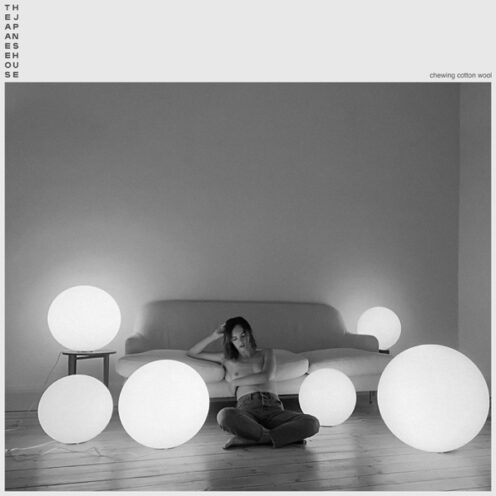
The Japanese House – “Chewing cotton wool” EP review

Amber Bain: the twenty- four year old prodigy behind ‘The Japanese House’ runs towards her emotions in her dazzling new EP “Chewing Cotton Wool”.

The four track record is Bain at her lyrical best. The record is impressively galvanizing: it is emotive, open, and deep and with it Bain proves she is a reliabilty when it comes to musical and lyrical mastery.

The EP opens with the beautifully sombre “Sharing beds”. The track is romantically soft yet attacking. It exudes strained, sharp vocalization with electrically cussing, forward lyrics such as the brilliant line, ‘I know your sharing beds well I’m a fucking mess’ and ‘just tell me it wasn’t jess’. The human-ness as well as the personalization of the lyrics shows the way in which Bain is willing to sacrifice herself for her lyricism.

The melancholic piano chords that ooze throughout the track inform us of exactly what we are getting into, not only with this track, but with the record as a whole. Alongside those piano chords we get an accompanyment of those beloved Japenese house-esque synethtic pangs which creates a sharp, soft affair which is both emotional yet strong and it is this ability to be both at once which makes Bains sound portrude.

The track is magically unreserved and is sincerly worthy of birthing the record, and proves something I have learned over the years: you cannot possibly be dissapointed in Bain’s creations.

The record then transcends in a pop-esque boom with ‘Something has to change’. The track consists of playful, at times off beat drums, as well as a hearty, almost distorted guitar and layered vocals throughout the chorus which add layer, volume and umph continously throughout the track. Being the most up beat on the record, the track surely tries its hand at being positive in both sound and message and offers a fresh break, atmospherically. The song operates as a cry for change, detailing the need to break out of the same old habits and stop the recycling of emotions, motives, situations. This is seen in the line, ‘It’s the same thing, your repeating yourself and it’s the same girl, thats giving you hell and it’s the same face, your heart keeps breaking in the same way’ This track showcases Bain’s annoyance towards her life being a mere cycle and routine, and shows the addicting way that Bain herself, and us all, lead our lives sometimes. Bain gives her all with this track, laying bare her everyday, and every emotion and thought, and the result is something quite rewarding and triumphant.

We are then met with the stunning ‘Dionne’: a depressive, handsome gem. The song deals with lost love, suicidal sentiments, and the nothingness of exsistence, seen in the lines ‘talking about something meaningless’ and ‘I wanna watch it back and then kill myself’. The song locks horns with the emotions felt in post-relationship head spaces and draws on the desolate places our minds wander to sometimes. The beauty of this song is the way it is constantly adding to itself and growing, introducing new layers and sounds continously. For example, mid way through the first verse drums come into play, changing the direction of the song by adding a new, more upbeat and sharp layer of sound to it which amplifies the track and allows it to become something quite different. The song continous in this fashion, dissalowing itself to be subject to habit. Such as before the first chorus when our ears are met with a new, sudden and fast drum fill and likewise before the second chorus we hear an entrance of almost speaking, high pitched sound effects. Thus the track is ever changing and ever growing, and it is subtely experimentalness like this that commits this track and EP as a whole, to memory.

In regards to Justin Vernon’s parts within the track, however, they don’t seem to work. When the verse trips into the chorus, and chorus disentegrates back into another verse, it almost feels as though they are two different songs as the softness of Bains voice with Vernon’s boistreous vocals does not quite create the connecting affair. And the intimate, revelaing nature of Bains lyrics side by side with Vernons rather abstract lyrics ruin this personal space that Bain has spent the verses building. Nonetheless, Bain is always pushing her sound, track to track which is clear in ‘Dionne’, and she proves yet again that she is admittedly one of the best artists of our generation.

The records brilliant finale finds home in the dazzling ‘chewing cotton wool’. This track alone is Bains best lyrical work and is emotional outpour at its best. The track deals with the inability to shake the memory and thought of someone loose, and the affliction of seeing someone in everything, and in every object and moment. This is seen in the sullen lines ‘She’s the dust upon the sill’ and ‘shes inside every crack’. These lines highlight perfectly the way in which the track reaches into you and takes hold, squeezing all your emotions to the forefront and not letting go and it is quite masterful of Bain to hold us on such a leesh.

The song is stubborn to conform to any sense of monotonality, the lines are sung with different tonalities, some soft, some strained, some loud and this technique brilliantly reveals so much: showing the anger as well as the sadness that arises as she vacations through her thoughts. The aforementioned technique also adds texture and indifference to the song, making for an interesting, intriguing listen.

Wether purposely or not, the melody Bain has created within the song: a simple tip tap, stepping stone sound, really allows for a precise set up that gives the lyrics space to shine and allows one to see how powerful, genuine and hearty they are, making the melody seem like simple backgound music . And that is exactly why this is one of Bain’s best creations: as the lyrics entrap you and swallow you, without feeding you back out its mouth. It encapsulates you well and truly.

“Chewing cotton wool” is a triumph. It acts and performs as a sincere looking glass into the mind and heart of Bain: two of the most profoundly mesmerizing places.

“A ghost story”- film review

David Lowery’s “A ghost story” aims to be an eerie, distinct and evocative tale. With loss being Lowery’s cinematic substance, he attempts to create a tragic documentation of death. The film emphasises, rather well, the entrapment of death, as well as death’s malicious effects on it’s loved ones. However, the film lacks the ability to stimulate, for the majority.

The film’s strong suit is its ability to create an emotional engagement with the audience in regards to the ghost’s entrapment. For the duration of the film, the ghost is stuck in a horrifying cycle of isolation and being, forced to watch life move forth without him like a sick nightmare. This portrayal of death is striking and terrorising, forcing a sense of fear towards the inevitable, enabling the audience to emotionally invest in the film.

The film also manages to pry an emotional response from its audience through its portrayal of forgetting in death. In a few scenes, the ghost is seen conversing with another ghost. This other ghost says that he cannot remember who he is waiting for, but he doesn’t think they are coming back. This exceptional dialogue is nothing short of agonising, and shows Lowery’s ability to corrupt his audience with the painful aftermaths of death; such as moving on and becoming forgotten. Though the film is able to be complimented in this respect, this evocation and engagement that makes this movie special and memorable is short lived.

The house in which the ghost resides, begins to receive many, new occupants through the years, to which the ghost is obliged to live with. Thus, this image of entrapment, isolation and incredible evocation, quickly becomes stale. Instead of being provoking, it becomes boring and directionless, and the film quickly becomes a simple recyclement of images and ideas. Boredom also seeps from the film being mostly shot in silence, thus, after a ridiculously short time, one becomes uninterested in a film that has nothing to say or offer anymore.

The biggest issue with this film, lies within its inability to create a feeling of sadness for the ghost’s wife’s loss and vice versa. Naturally, we are supposed to feel sorry for the ghost, and for his wife, and Lowery seemingly attempts to do this by showing shots of the wife crying, and flashbacks of their relationship together. However, it is with difficulty, to buy into this attempt, to feel the pain of loosing someone you love, because, truthfully we do not see much ‘love’ between the two. This is so as in the scenes they have together, there does not seem much communication, or feeling. They instead seem disconnected and unfeeling towards one another, in disagreement or detached. Thus, the film’s attempt to show the pain that death inflicts, is felt only within the ghosts limbo, and thus it is hard to hold any emotion towards the fact that his life is over, we feel only emotion towards the fact that he lacks peace, and that seems to be on the contrary to the film’s intent.

Though “A ghost story” has received critical acclaim, its rather hard to comprehend why for the most part. Its positive reception can be understood for its ability to evoke, but the majority of the film seems directionless, and only serves to bore as it unfolds.

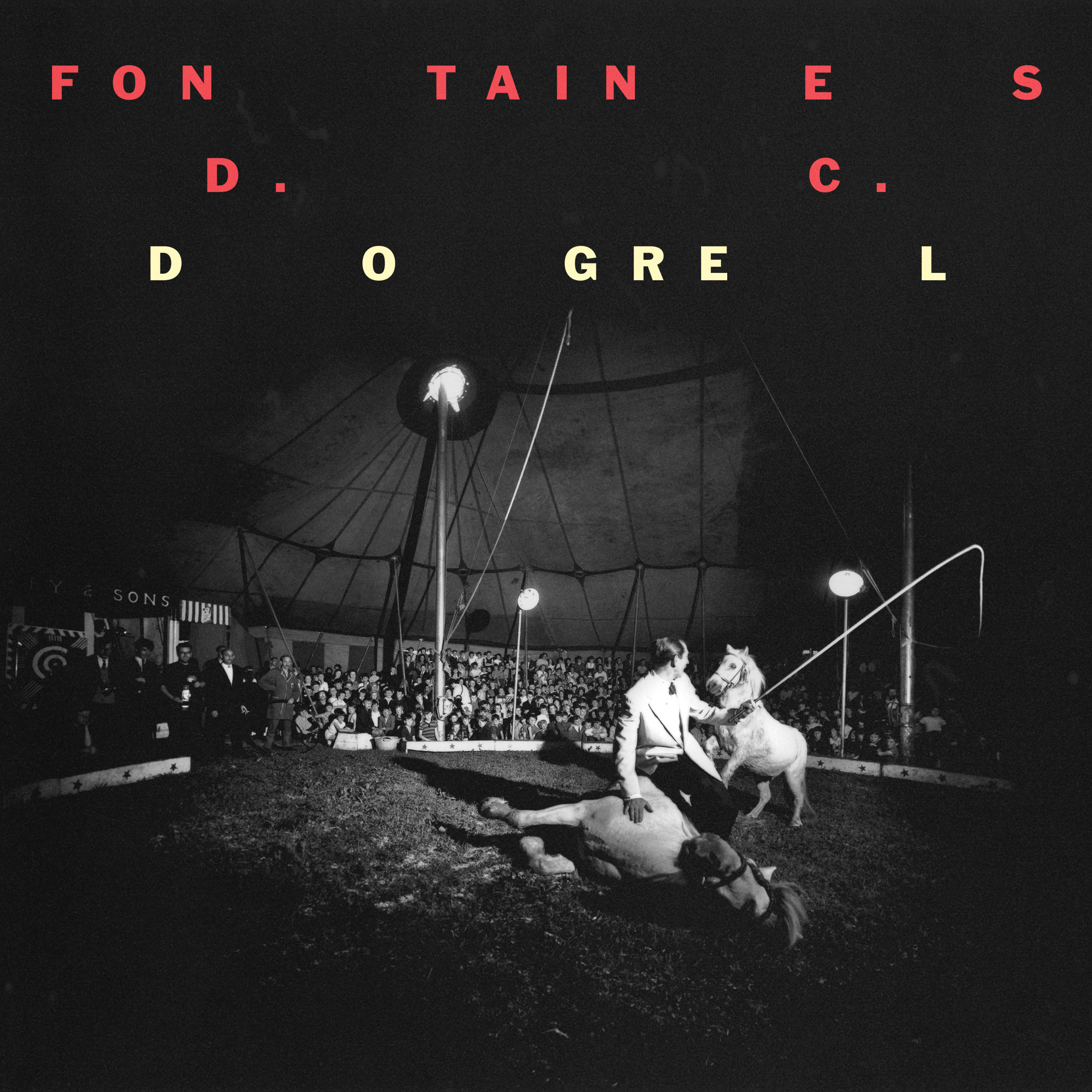
Fontaines D.C.- “Dogrel” Album review

Enragement is the gritty subject of Fontaines D.C.’s bitter but brilliant sound. The Dublin born, post-punk band, hold a raw, violent temper with life, and a clear ambivalence for their hometown. This moodiness is manifested through steely sound, and angry, impressive lyrics, that are spoken and shouted throughout the record with honesty and style. The fiery band is a representation of the vexation towards the outside world; positioning themselves as a relevant breath of fresh air.

The boys punchy tenth track ‘Boys in the better land’, grips you with its avalanche of crunchy, loud sound. The track seems to deal with the romanticism of emigration. In the tracks pre-chorus, lead singer Grian Chatten instructs ‘If you’re a rockstar, pornstar, superstar, doesn’t matter what you are get yourself a good car, get outta here’ The track exploits the fantasy of leaving one’s homeland, and strives to show the distasteful relationship one can have with its place of birth. The beauty of this track lies within its familiar, tangible rage and its ability to fuel the body from fast, sharp and hooking instrumentation.

The record’s opening track ‘Big’, offers a contradictory image of Dublin. In the track’s opening line, Chatten exclaims ‘Dublin in the rain is mine, a pregnant city with a catholic mind’ The line appears as a conscious dig at the boy’s hometown, idealising the city as unrighteous and disloyal. This track presents their religious city as unholy, offering only a warped, foreign image of what was once familiar. This track vomits out lines of pure ambivalence, showing personal feelings and emotions as the culprits for this track’s substance, and the record’s allure.

The record prides itself on odd versatility. In amidst the crashing, punk sounds and angry rambles, there is room for the odd tender track. In ‘Roys tune’, a rather hidden gem on the record, gentle guitar chords and gracefully sung lyrics precede. The track is a real change of pace for the record, and prove these boys can do it all. In the line, ‘my eyes weren’t dead’, Chatten vulnerably talks of growing older, the tribulation of becoming lifeless and hopeless from living, a heartbreaking salute to ageing. In the track’s outro, chatten sighs ‘hey love, are you hanging on?’ the tenderness and grace of this line is remarkably sincere and endearing, its shows again the bottomless emotion Chatten offers in ‘Dogrel’.

“Dogrel” is nothing short of exquisite, it places Fontaines D.C. as a relevant, fresh, and unforgettable talent within today’s music scene. The debut record is a bipolar account towards modernity and existence, and it cannot help but ooze personality.

Snail Mail – “Lush” album review

Lindsey Jordan; the wise and romantic mastermind behind ‘Snail Mail’, is a sentimental superstar. At just twenty years old, Jordan is unreservedly aware of the afflictions, infatuations and anguishes of growing up. Her growing pains are documented through instrumental buoyancy and minor melancholy, as well as relatable, sublime lyrics that illustrate Jordan’s tender brilliance.

“Lush” is a sublime, indelible record. It establishes Jordan’s abilities to create enthralling music that is both lyrically mature, and musically potent. Each track takes on a metamorphosis in mood and sound from one another, disallowing itself to be subject to predictability. This is a credit to Jordan both creatively and professionally.

The record’s lead single “Pristine”, is a fine demonstration of the relate-ability that encompasses “Lush”. The track is a youthfully melodramatic commentary on the inability to let go of someone. It documents the pathetic way we become when loosing love. In the track she sighs, ‘I’ll still see you in everything, tomorrow’. This line illustrates the emotional and mental incompetency to move on from someone you love, as though they are a stain on everything you hear, see and do. This is both brilliant and attractively accurate, this one line debuts Jordan’s understanding of the painful, brutal process of heartbreak, showing her lyrics ooze sensitivity, awareness and poignancy. Jordan also illustrates the naivety of loosing love when she exclaims, ‘I’ll never love anyone else’. When in a relationship, we believe that person is our be-all and end-all, and using her lyrical platform, Jordan shows that she too has fallen for this childishness, and is one of us. Musically, “Pristine” is an experimentally exquisite track in one particular way. At the start of every verse, a different guitar line is used which evokes a quirky, unique sound to the track, and highlights Jordan’s creativity and consideration towards her sound.

Jordan’s record also excels in it’s few melancholic tracks, one of them being “Deep sea”, the record’s ninth track. Sad guitar chords, a simple bass drum rhythm, and undoubtedly the best guitar solo of the whole record make up this track. The song details a lonely, depressive state of mind that Jordan was seemingly in, which is clearly found in lines such as ‘wake only to bathe in greens and blue’ and ‘its only you down there’. Both lines are melancholic; the former shows the pointlessness of life at that time for Jordan, and the latter highlights feelings of isolation and loneliness. This track is evidence enough that wisdom is Jordan’s forte.

After listening to “Lush”, it is clear that Jordan is an envious sensation, and is living, existing proof that age cannot measure talent.

“Blue is the warmest color” film review

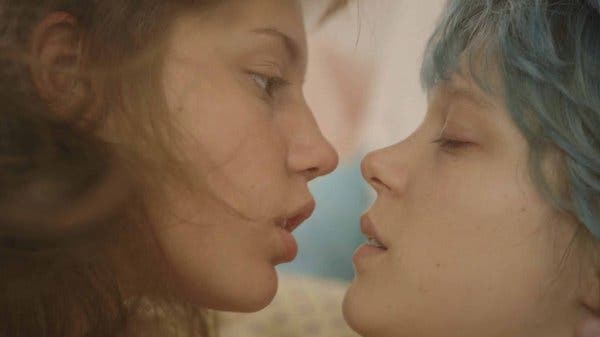
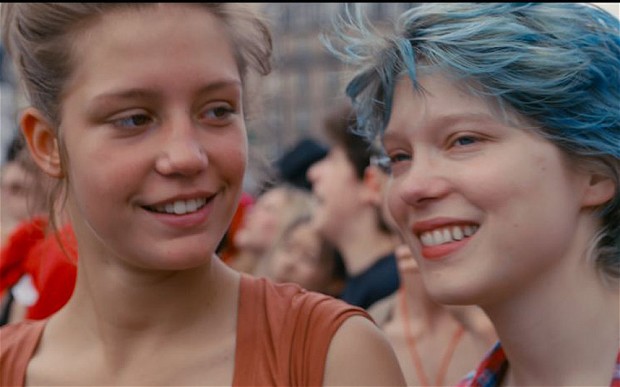
In 2013 at the 66th Cannes film festival, a profound, tragic and exquisite film Français was born. “Blue is the warmest color” is a sensual documentation of love between two women. The film operates as an accurate journey of first- love; portraying the awakening of sexual attraction and desire, the joys and eventual tribulations within a relationship and the ultimate rotting of it. The film’s story is centred around its lead, Adele and her relationship with Emma, beginning with Adele in her late teenage, school years and ending with her in early adulthood working as a school teacher.

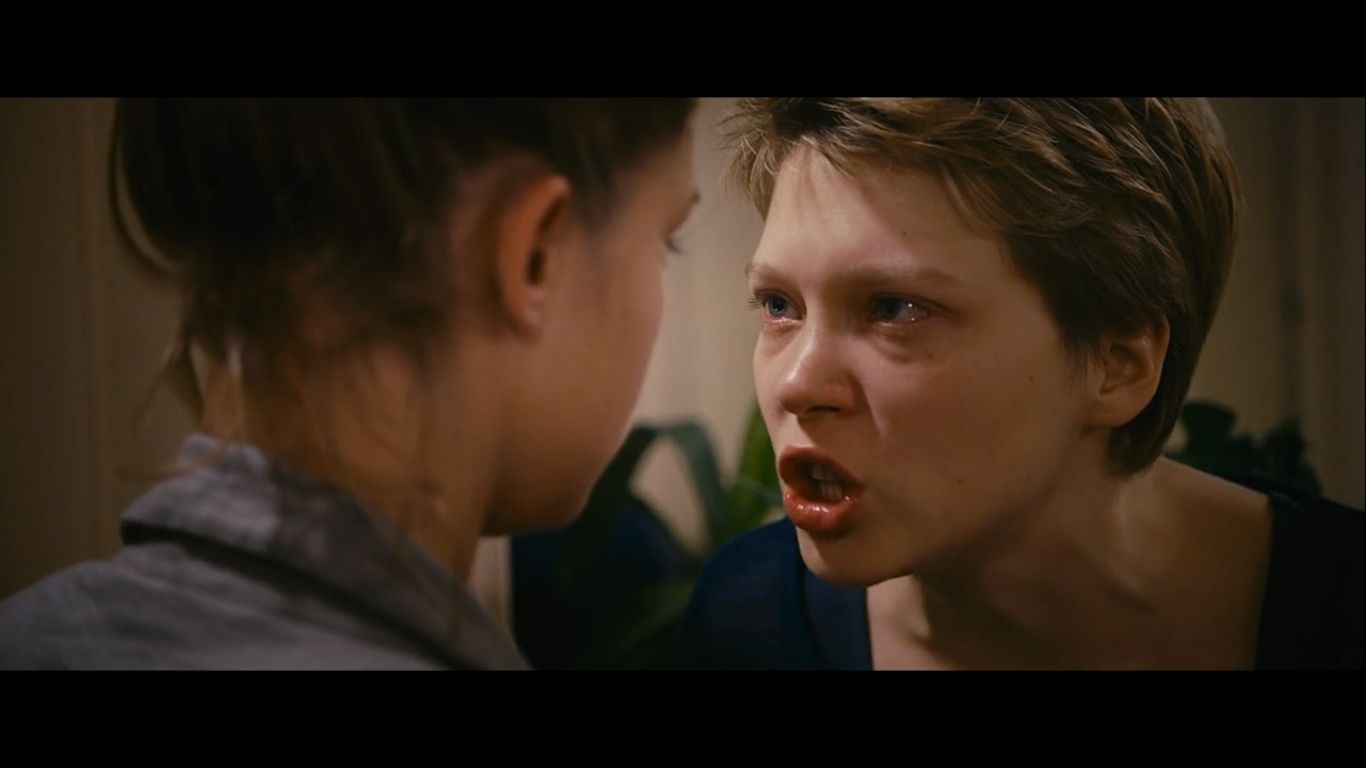
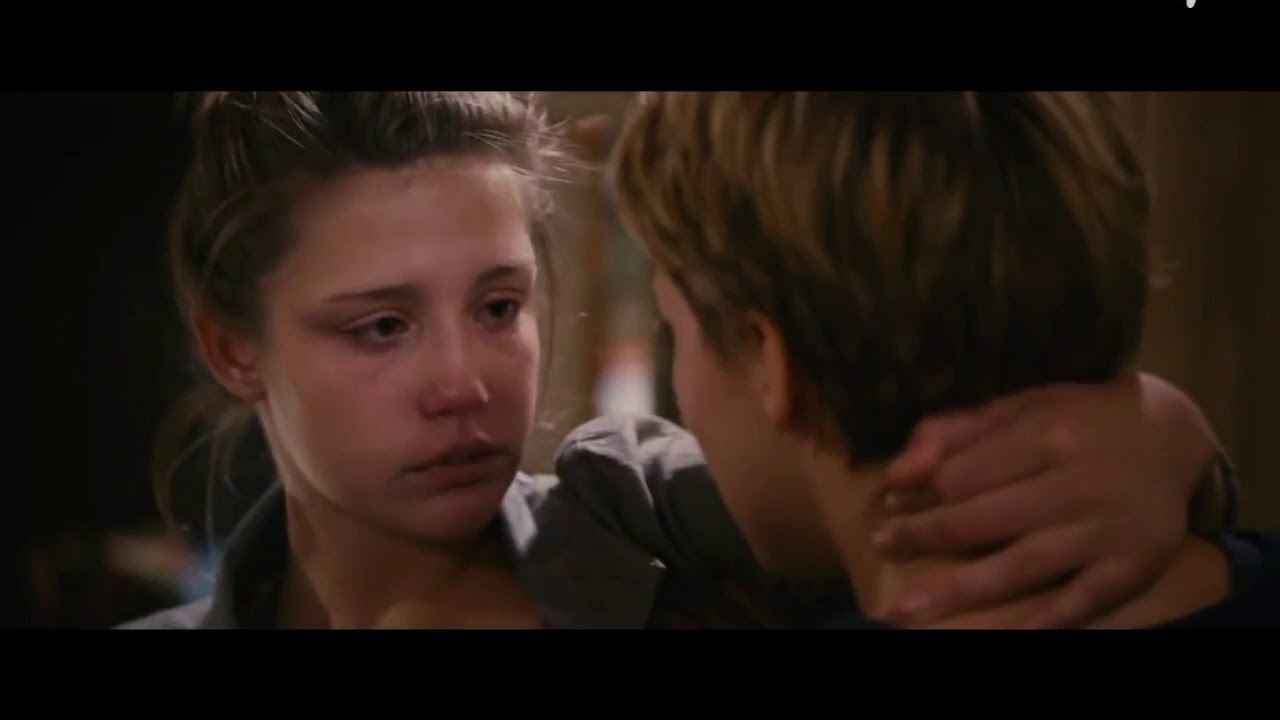
The movie operates in two parts, the first being Adele’s life before Emma and the adolescent stages of their relationship. With the second focusing on the maturing and progressively dulling status of their relationship. One of the film’s key documentations, is illustrating Adele’s self transformation through sexuality and more prominently, Emma’s love . Before her relationship with Emma, Adele appears an empty, unfulfilled person. As she says herself, she feels she is ‘missing something’. Throughout director Kechiche’s film, body language and facial expressions, as well as dialogue are used to portray the emotional state of its characters. Thus the film greatly focuses on using the human body to represent the interior of the characters. For example, following a sexual encounter towards the start of the film, the withdrawn body language, and disconsolate look is used to establish Adele’s unfulfilled state of being. This is an incredibly, sharp way of projecting the characters thoughts and feelings, and proves the film’s authenticity. Therefore, the many triumphs of this film is its raw metaphorical use of human parts. Though the dialogue used is incredible, the film does not solely rely upon it, it separates itself from the corporate film, daring to use its actors bodies as props to tell the story.

In the latter half of the film, we continue to see the film’s strong ability to portray the reality of love, such as the fading of feelings over time. The changing colour of Emma’s hair acts as a signal of this. Therefore the film even uses hair as a symbolic and crucial cinematic prop. Highlighting once more, the film is daring to be different. It is this exceptional and outstanding creativity that makes your mouth involuntarily drop, and realise the film’s undeniable genius. However, the film’s success lies also with its lead actors Seydoux and Exarchopoulos, who under Kechiche’s instruction, improvised throughout the movie in its entirety. The directors impromptu decision forced both actresses to act on impulse and to allow the scenes to unfold naturally and realistically, and that is exactly how each an every scene appears. When watching this film, your mind will be blown that such a masterpiece was created without revision, just envious, powerful talent.

At Cannes, the film was met with a standing ovation, perfectly summarising its brilliance and genius. “Blue is the warmest color” is one of the best films of the twenty first century. It realistically encapsulates the happiness, sensuality and tragedy of first love, and forces its viewers into post-movie depression .

Design a site like this with WordPress.com
Get started