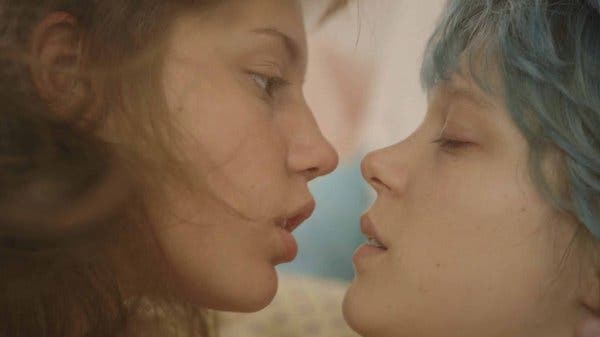
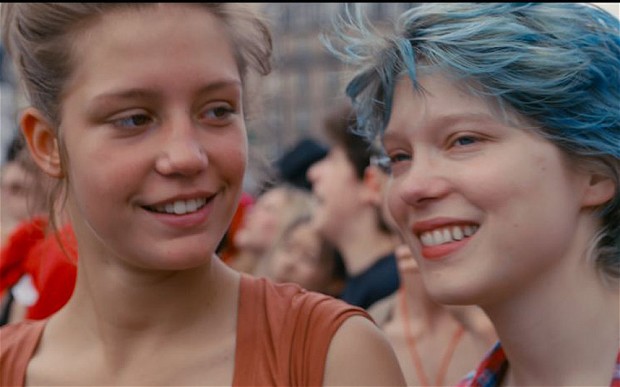
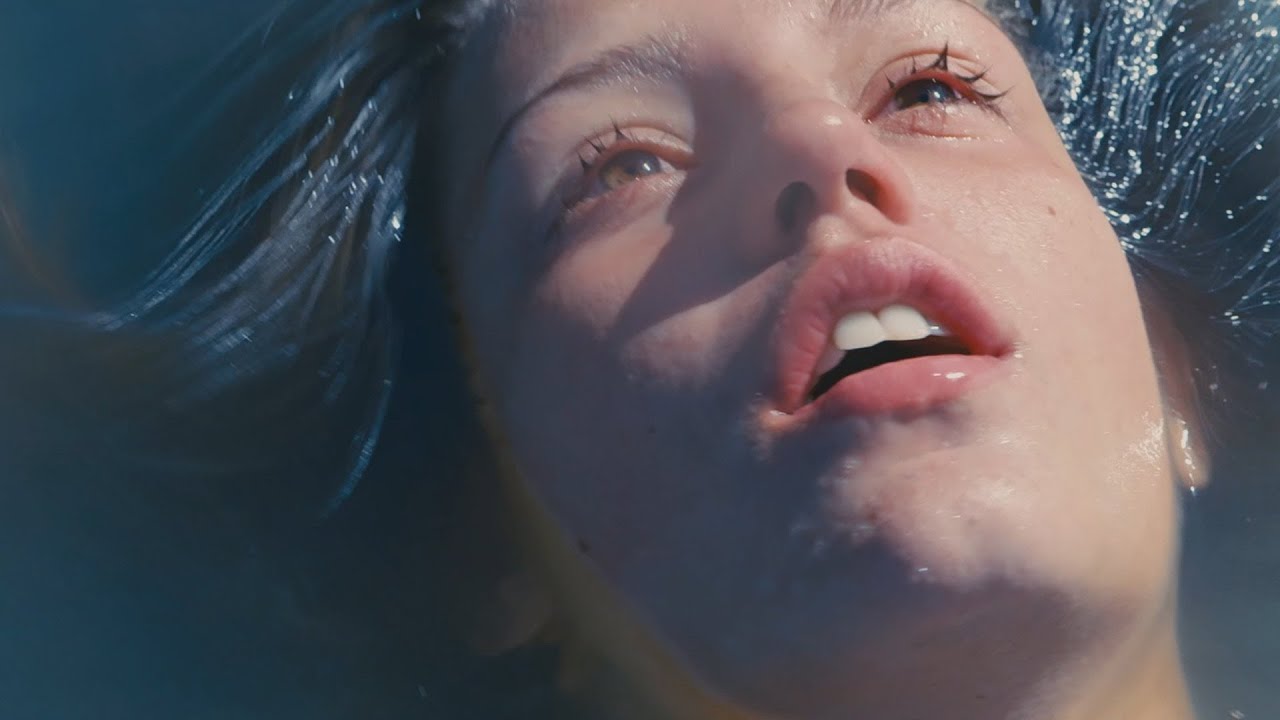
In 2013 at the 66th Cannes film festival, a profound, tragic and exquisite film Français was born. “Blue is the warmest color” is a sensual documentation of love between two women. The film operates as an accurate journey of first- love; portraying the awakening of sexual attraction and desire, the joys and eventual tribulations within a relationship and the ultimate rotting of it. The film’s story is centred around its lead, Adele and her relationship with Emma, beginning with Adele in her late teenage, school years and ending with her in early adulthood working as a school teacher.
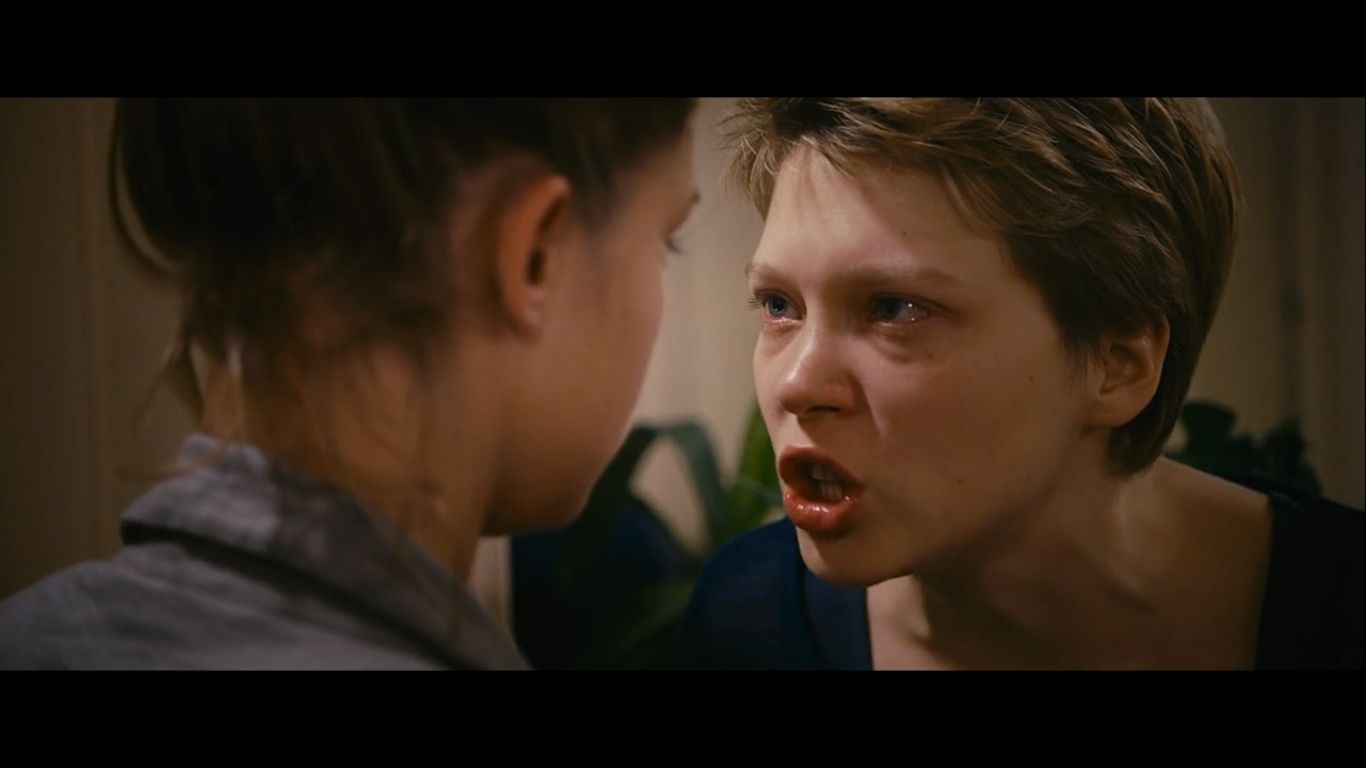
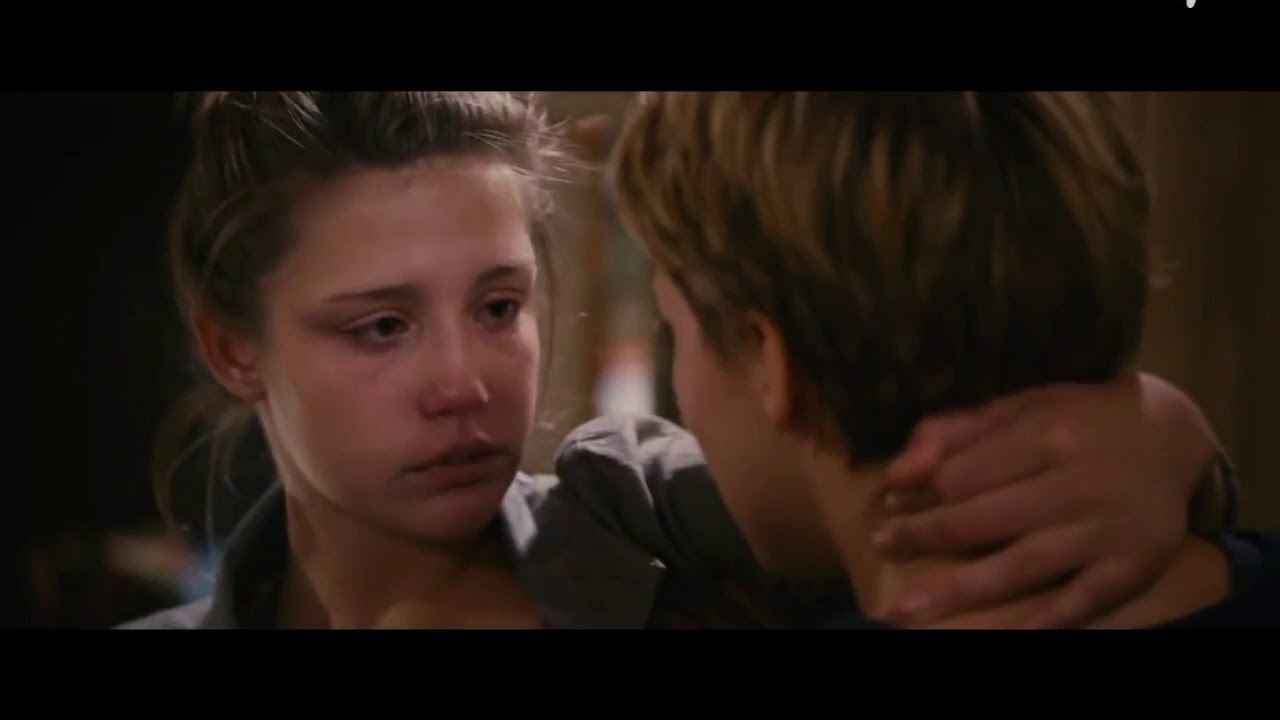
The movie operates in two parts, the first being Adele’s life before Emma and the adolescent stages of their relationship. With the second focusing on the maturing and progressively dulling status of their relationship. One of the film’s key documentations, is illustrating Adele’s self transformation through sexuality and more prominently, Emma’s love . Before her relationship with Emma, Adele appears an empty, unfulfilled person. As she says herself, she feels she is ‘missing something’. Throughout director Kechiche’s film, body language and facial expressions, as well as dialogue are used to portray the emotional state of its characters. Thus the film greatly focuses on using the human body to represent the interior of the characters. For example, following a sexual encounter towards the start of the film, the withdrawn body language, and disconsolate look is used to establish Adele’s unfulfilled state of being. This is an incredibly, sharp way of projecting the characters thoughts and feelings, and proves the film’s authenticity. Therefore, the many triumphs of this film is its raw metaphorical use of human parts. Though the dialogue used is incredible, the film does not solely rely upon it, it separates itself from the corporate film, daring to use its actors bodies as props to tell the story.
In the latter half of the film, we continue to see the film’s strong ability to portray the reality of love, such as the fading of feelings over time. The changing colour of Emma’s hair acts as a signal of this. Therefore the film even uses hair as a symbolic and crucial cinematic prop. Highlighting once more, the film is daring to be different. It is this exceptional and outstanding creativity that makes your mouth involuntarily drop, and realise the film’s undeniable genius. However, the film’s success lies also with its lead actors Seydoux and Exarchopoulos, who under Kechiche’s instruction, improvised throughout the movie in its entirety. The directors impromptu decision forced both actresses to act on impulse and to allow the scenes to unfold naturally and realistically, and that is exactly how each an every scene appears. When watching this film, your mind will be blown that such a masterpiece was created without revision, just envious, powerful talent.
At Cannes, the film was met with a standing ovation, perfectly summarising its brilliance and genius. “Blue is the warmest color” is one of the best films of the twenty first century. It realistically encapsulates the happiness, sensuality and tragedy of first love, and forces its viewers into post-movie depression .
 MUSIC AND FILM FREAK REVIEWS